




Manufacturing Process of Cocopeat & Coco Husk Chips | VinaTap Vietnam
A transparent, step-by-step description of how VinaTap Vietnam manufactures washed and heat-treated cocopeat and coco husk chips, compliant with international organic and phytosanitary standards.
VinaTap Vietnam supplies premium cocopeat, coco husk chips, grow bags, coco discs, seedling pellets and coconut coir products for international buyers, distributors, nurseries, greenhouses and hydroponic farms. All prices below are indicative FOB Ho Chi Minh Port, Vietnam and may vary depending on order volume, packing, specification and market conditions.
FOB Port: Ho Chi Minh Port, Vietnam
Payment / quotation: Final price depends on product specification, packing, quantity and shipment schedule.
Contact: WhatsApp / WeChat / Viber: +84 912 100 118 | Email: vinatap@gmail.com
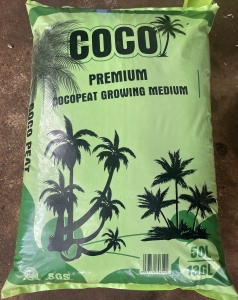
1. Cocopeat Bag – Loose / Ready To Use
| Product | Specification | Packing / Loading | FOB Price | Application |
|---|---|---|---|---|
| Cocopeat Bag 50L | EC < 0.3 mS/cm pH 6.0 – 6.5 Moisture 50–55% Washed & buffered to reduce Na, K |
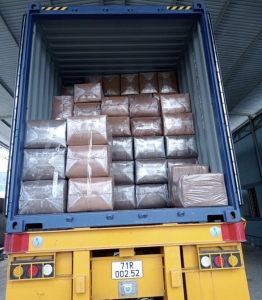
2,250 bags / 18 pallets / 40HC 1,000 bags / 8 pallets / 20FT |
From USD 2.00 / bag | Nursery, potting mix, greenhouse, vegetables, flowers, ornamental plants |
| Cocopeat Bag 100L | EC < 0.3 mS/cm pH 6.0 – 6.5 Moisture 50–55% Clean, washed, buffered cocopeat |
1,000 bags / 18 pallets / 40HC | Quote on request | Commercial farms, garden centers, bulk substrate supply |
| Cocopeat Jumbo Bag 6,000L | EC < 0.3 mS/cm pH 6.0 – 6.5 Moisture 50–55% Washed & buffered |
Bulk jumbo bag packing Suitable for farms and distributors |
Quote on request | Large farms, substrate factories, wholesale buyers |
VinaTap - Coco Peat Bag
2. Compressed Cocopeat Blocks / Bricks
| Product | Available Sizes | Specification | Loading | FOB Price |
|---|---|---|---|---|
| Compressed Cocopeat Block / Brick | 5kg, 2.5kg, 1kg, 650g, 500g, 300g | EC < 0.5 mS/cm pH 5.5 – 6.5 Moisture < 15% Expansion: 1kg = 14–15L after hydration |
24 MT / 22 pallets / 40HC 10.5 MT / 10 pallets / 20FT |
From USD 500 / MT FOB |
VinaTap - Coco Block - Brick
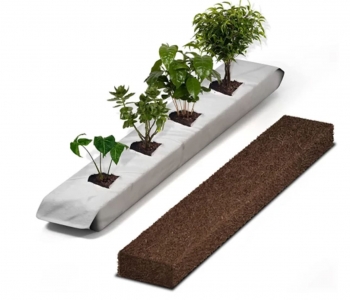
3. Coco Grow Bag / Greenhouse Slab
| Product | Mix Ratio | Size Options | Loading | FOB Price |
|---|---|---|---|---|
| Coco Grow Bag | 40% cocopeat + 30% husk chip + 30% short fiber Or customized ratio upon buyer request |
Length: 100cm Width: 10–31cm Expanded height: 10–15cm |
10,000–12,000 pcs / 22 pallets / 40HC Approx. 5,000 pcs / 20FT |
From USD 1.00 / pc FOB Final price depends on size and packing |
Vinatap Grow Bag
4. Planting Grow Bag 1GL / 2GL / 5GL
| Product | Bag Size | Material Options | FOB Price | Application |
|---|---|---|---|---|
| Planting Grow Bag | 1GL, 2GL, 5GL 16×16×20cm 18×18×20cm 30×30×20cm |
100% cocopeat Cocopeat + husk chip Cocopeat + perlite |
From USD 0.40 / bag FOB | Home gardening, nursery, greenhouse, potted plants, vegetables and flowers |
Vinatap Coco Growbag 1-6GL
5. Coco Seedling Pellets / Coco Discs
| Product | Available Diameter | Specification | Packing | FOB Price |
|---|---|---|---|---|
| Coco Seedling Pellet / Coco Disc | 30mm, 35mm, 42mm, 50mm, 68mm, 120mm, 150mm | With or without non-woven fabric net Expanded height after watering: 50–100mm |
1,000 pcs / carton or customized packing | From USD 0.015 / pc FOB |
Vinatap Coco Disc
6. Coco Husk Chip / Husk Chip Blocks
| Product | Size | Form | Specification | FOB Price |
|---|---|---|---|---|
| Coco Husk Chip | 5–20mm | 500g block 5kg block Peat + chip compressed block |
Washed / unwashed options Low EC or customized specification |
From USD 528 / MT FOB |
Vinatap Coco Husk Chip
7. Other Coconut Coir Products
- Coconut coir poles: for climbing plants, nurseries and ornamental plants.
- Coir mats: for erosion control, landscaping, gardening and industrial use.
- Coir rope: natural coconut fiber rope for agriculture, gardening and handicraft use.
Price: Quote on request depending on size, packing and quantity.
Why Buy from VinaTap Vietnam?
- Factory-direct supply from Vietnam.
- Large production capacity for stable long-term orders.
- Low EC cocopeat available for sensitive crops and greenhouse farming.
- Washed and buffered material to reduce sodium and potassium.
- OEM packing, private label and custom mix ratio available.
- Suitable for distributors, importers, farms and substrate manufacturers.
Contact VinaTap for FOB Quotation
Send your required product, specification, packing, quantity and destination port. VinaTap will provide the best FOB Ho Chi Minh Port quotation for your order.
VinaTap Vietnam
WhatsApp / WeChat / Viber: +84 912 100 118
Email: vinatap@gmail.com
Website: https://vinatap.vn/en/
VinaTap Vietnam Cocopeat & Coconut Coir Products – FOB Ho Chi Minh Port Price List
VinaTap Vietnam supplies premium cocopeat, coco husk chips, grow bags, coco discs, seedling pellets and coconut coir products for international buyers, distributors, nurseries, greenhouses and hydroponic farms. All prices below are indicative FOB Ho Chi Minh Port, Vietnam and may vary depending on order volume, packing, specification and market conditions.
FOB Port: Ho Chi Minh Port, Vietnam
Payment / quotation: Final price depends on product specification, packing, quantity and shipment schedule.
Contact: WhatsApp / WeChat / Viber: +84 912 100 118 | Email: vinatap@gmail.com
1. Cocopeat Bag – Loose / Ready To Use
| Product | Specification | Packing / Loading | FOB Price | Application |
|---|---|---|---|---|
| Cocopeat Bag 50L | EC < 0.3 mS/cm pH 6.0 – 6.5 Moisture 50–55% Washed & buffered to reduce Na, K |
2,250 bags / 18 pallets / 40HC 1,000 bags / 8 pallets / 20FT |
From USD 2.00 / bag | Nursery, potting mix, greenhouse, vegetables, flowers, ornamental plants |
| Cocopeat Bag 100L | EC < 0.3 mS/cm pH 6.0 – 6.5 Moisture 50–55% Clean, washed, buffered cocopeat |
1,000 bags / 18 pallets / 40HC | Quote on request | Commercial farms, garden centers, bulk substrate supply |
| Cocopeat Jumbo Bag 6,000L | EC < 0.3 mS/cm pH 6.0 – 6.5 Moisture 50–55% Washed & buffered |
Bulk jumbo bag packing Suitable for farms and distributors |
Quote on request | Large farms, substrate factories, wholesale buyers |
2. Compressed Cocopeat Blocks / Bricks
| Product | Available Sizes | Specification | Loading | FOB Price |
|---|---|---|---|---|
| Compressed Cocopeat Block / Brick | 5kg, 2.5kg, 1kg, 650g, 500g, 300g | EC < 0.5 mS/cm pH 5.5 – 6.5 Moisture < 15% Expansion: 1kg = 14–15L after hydration |
24 MT / 22 pallets / 40HC 10.5 MT / 10 pallets / 20FT |
From USD 500 / MT FOB |
3. Coco Grow Bag / Greenhouse Slab
| Product | Mix Ratio | Size Options | Loading | FOB Price |
|---|---|---|---|---|
| Coco Grow Bag | 40% cocopeat + 30% husk chip + 30% short fiber Or customized ratio upon buyer request |
Length: 100cm Width: 10–31cm Expanded height: 10–15cm |
10,000–12,000 pcs / 22 pallets / 40HC Approx. 5,000 pcs / 20FT |
From USD 1.00 / pc FOB Final price depends on size and packing |
4. Planting Grow Bag 1GL / 2GL / 5GL
| Product | Bag Size | Material Options | FOB Price | Application |
|---|---|---|---|---|
| Planting Grow Bag | 1GL, 2GL, 5GL 16×16×20cm 18×18×20cm 30×30×20cm |
100% cocopeat Cocopeat + husk chip Cocopeat + perlite |
From USD 0.40 / bag FOB | Home gardening, nursery, greenhouse, potted plants, vegetables and flowers |
5. Coco Seedling Pellets / Coco Discs
| Product | Available Diameter | Specification | Packing | FOB Price |
|---|---|---|---|---|
| Coco Seedling Pellet / Coco Disc | 30mm, 35mm, 42mm, 50mm, 68mm, 120mm, 150mm | With or without non-woven fabric net Expanded height after watering: 50–100mm |
1,000 pcs / carton or customized packing | From USD 0.015 / pc FOB |
6. Coco Husk Chip / Husk Chip Blocks
| Product | Size | Form | Specification | FOB Price |
|---|---|---|---|---|
| Coco Husk Chip | 5–20mm | 500g block 5kg block Peat + chip compressed block |
Washed / unwashed options Low EC or customized specification |
From USD 528 / MT FOB |
7. Other Coconut Coir Products
- Coconut coir poles: for climbing plants, nurseries and ornamental plants.
- Coir mats: for erosion control, landscaping, gardening and industrial use.
- Coir rope: natural coconut fiber rope for agriculture, gardening and handicraft use.
Price: Quote on request depending on size, packing and quantity.
Why Buy from VinaTap Vietnam?
- Factory-direct supply from Vietnam.
- Large production capacity for stable long-term orders.
- Low EC cocopeat available for sensitive crops and greenhouse farming.
- Washed and buffered material to reduce sodium and potassium.
- OEM packing, private label and custom mix ratio available.
- Suitable for distributors, importers, farms and substrate manufacturers.
Contact VinaTap for FOB Quotation
Send your required product, specification, packing, quantity and destination port. VinaTap will provide the best FOB Ho Chi Minh Port quotation for your order.
VinaTap Vietnam
WhatsApp / WeChat / Viber: +84 912 100 118
Email: vinatap@gmail.com
Website: https://vinatap.vn/en/


.jpeg)
 Online: 7
 Total access: 4960575