


Cocopeat vs Coir Fibre: Differences and Buying Specifications
Cocopeat, coir fibre and husk chips describe different materials from the coconut husk. Use this checklist to specify the right fraction, treatment and packing before comparing wholesale offers.
Cocopeat, coir fibre and husk chips are different fractions
“Coco coir” is often used as a broad name for materials obtained from the coconut husk. It does not tell a buyer whether the product is fine pith, long fibre, cut husk chips or a blend. In Vietnamese, mụn dừa normally refers to the pith fraction, while xơ dừa can mean fibre or, in general trade usage, coir growing media. Confirm the actual material before comparing quotations.
| Material | What to check |
|---|---|
| Cocopeat / coir pith | The fine pith fraction. Specify particle grading, acceptable fibre content and treatment. |
| Coir fibre | The fibrous fraction. Ask about fibre length, cleanliness, moisture and bale packing. |
| Coconut husk chips | Cut husk pieces. Agree on chip size range, fines and the proportion of attached fibre. |
| Coir growing-media blend | A stated mix of fractions. Confirm each component and whether percentages refer to prepared volume or another measurement basis. |
Specify treatment separately from the product name
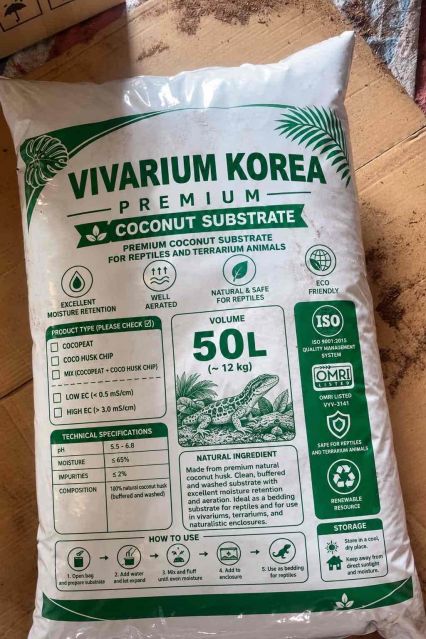
A “cocopeat” label alone does not establish an EC value or confirm that the material has been washed or buffered. Ask the supplier to identify the processing grade, agreed EC and pH test methods, sampling conditions and acceptance limits. Compare results made with the same method.
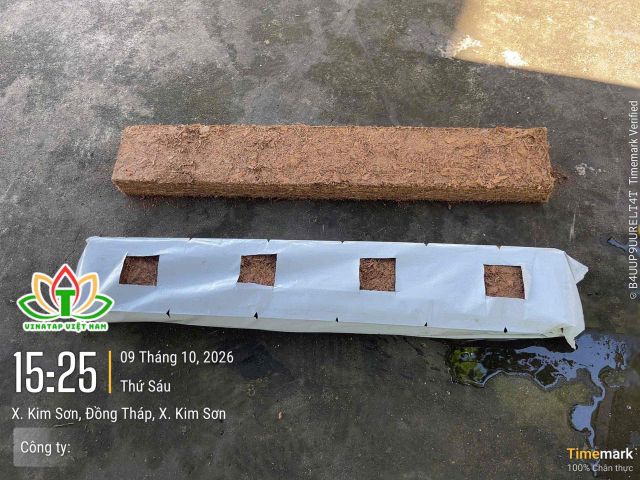
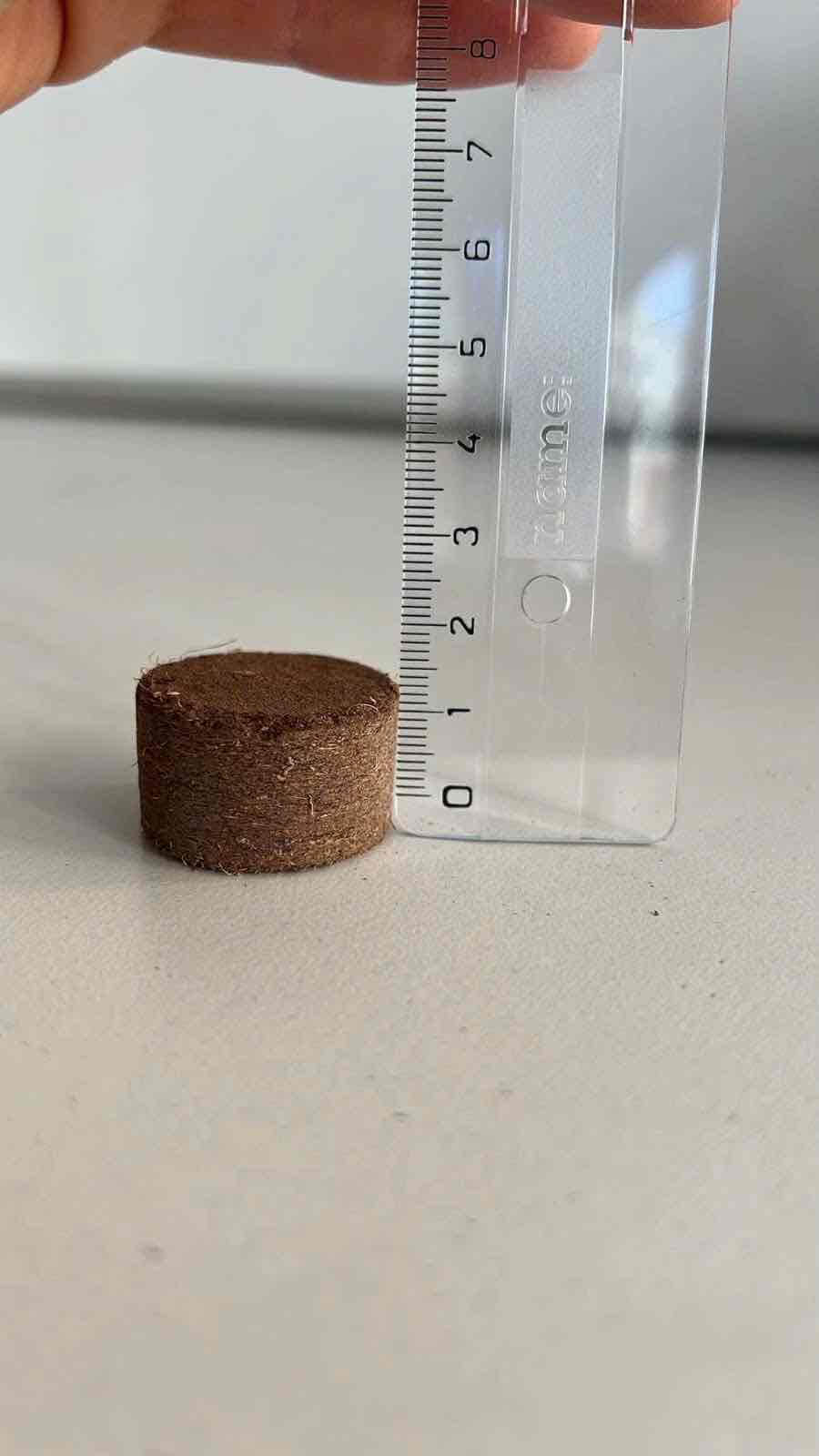
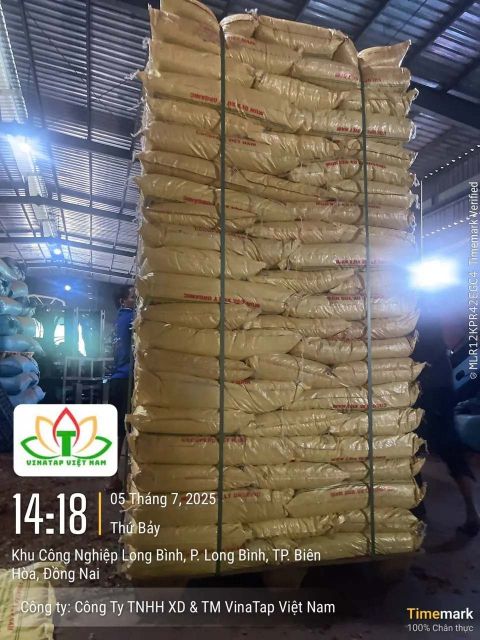
Packaging also does not identify composition. Blocks, bricks, loose bags, grow bags and jumbo bags describe supply formats. Put the material composition and its treatment on the order specification as well as the pack size.
Compare samples in the condition in which you will use them
- Define the application: describe the crop, container, irrigation arrangement and intended use of the material.
- Prepare consistently: record water quality, water quantity and preparation time for each sample.
- Inspect the prepared material: compare grading, fibre/chip distribution and uniformity rather than judging only a dry compressed block.
- Trial the selected specification: use a controlled small-scale trial before committing to a large supply programme.
- Keep an agreed reference: record the approved sample, test method and packing specification for the purchase order.
There is no single blend that is best for every crop and irrigation system. Avoid choosing solely by a product name or a price per compressed kilogram.
Request a wholesale coir quotation from VinaTap
Send the material or blend required, processing grade, pack format, expected quantity, destination port or delivery location and target shipment date. Include your test method and specification if you already have them.
For international purchasing, review VinaTap 5 kg cocopeat blocks and the product enquiry form. For a fibre enquiry, see coir fibre bales. State “pith”, “fibre” or “chips” in the enquiry so the sales team can check the appropriate product.
Frequently asked questions
Are cocopeat and coco coir always identical?
No. Cocopeat commonly means coir pith, while coco coir can be used more broadly. The written specification should identify the fraction and any blend.
Does low EC mean the product has been buffered?
Do not assume this from the EC description alone. Ask the supplier to confirm washing and buffering separately and provide the agreed test details.